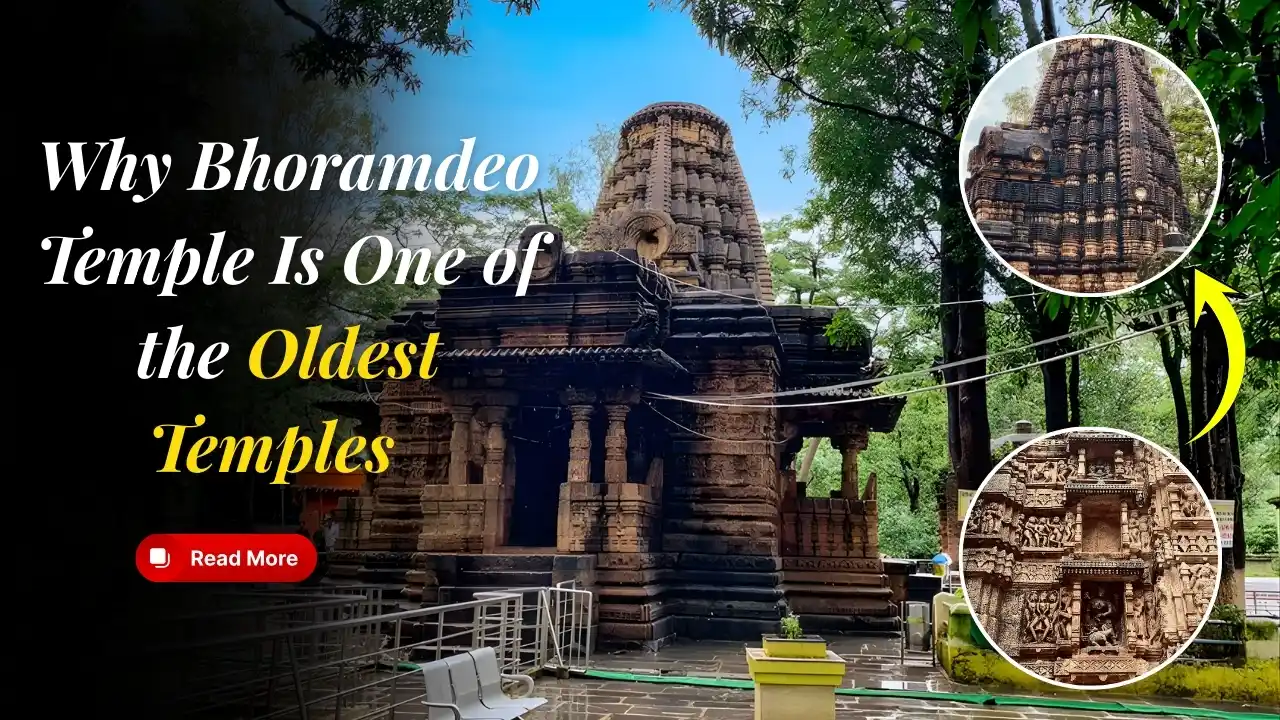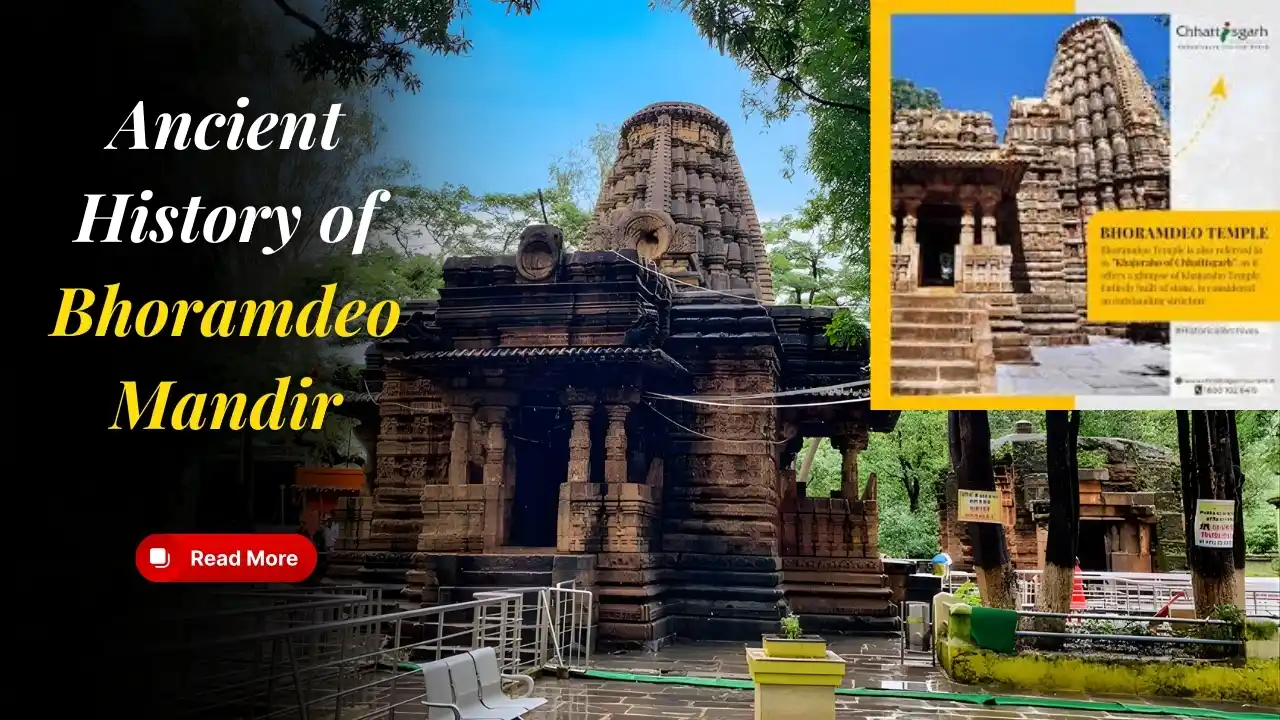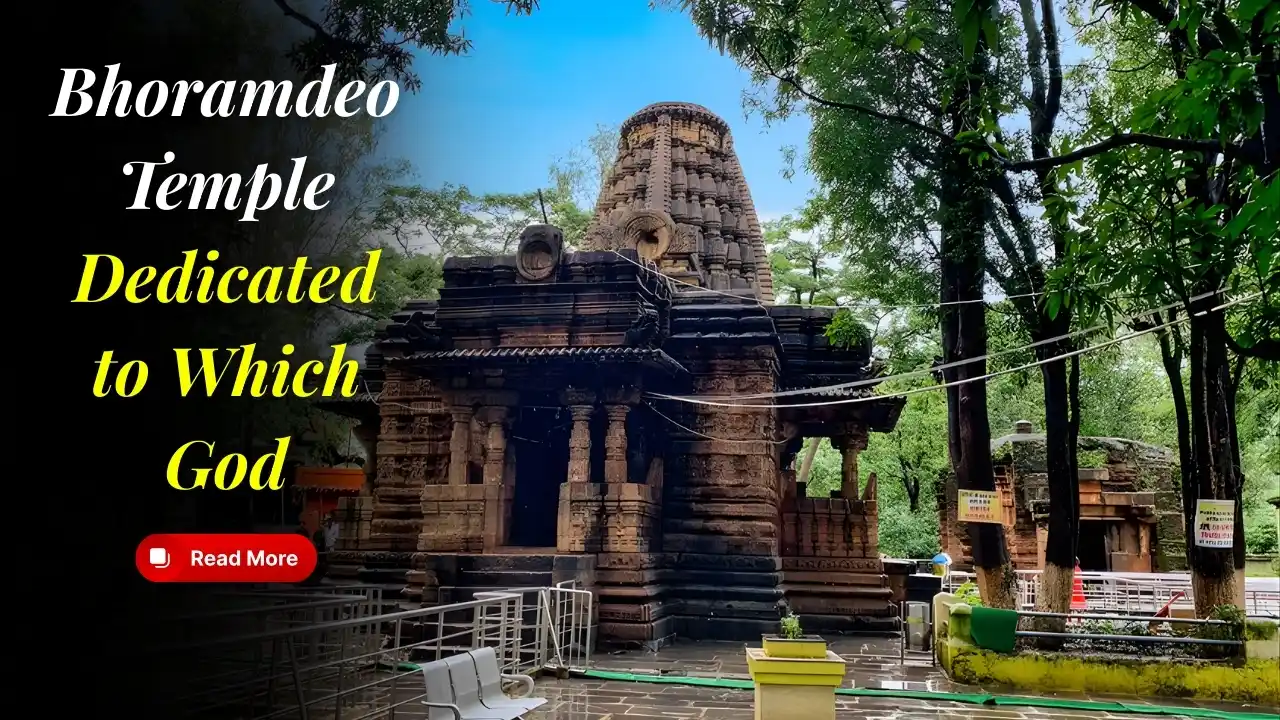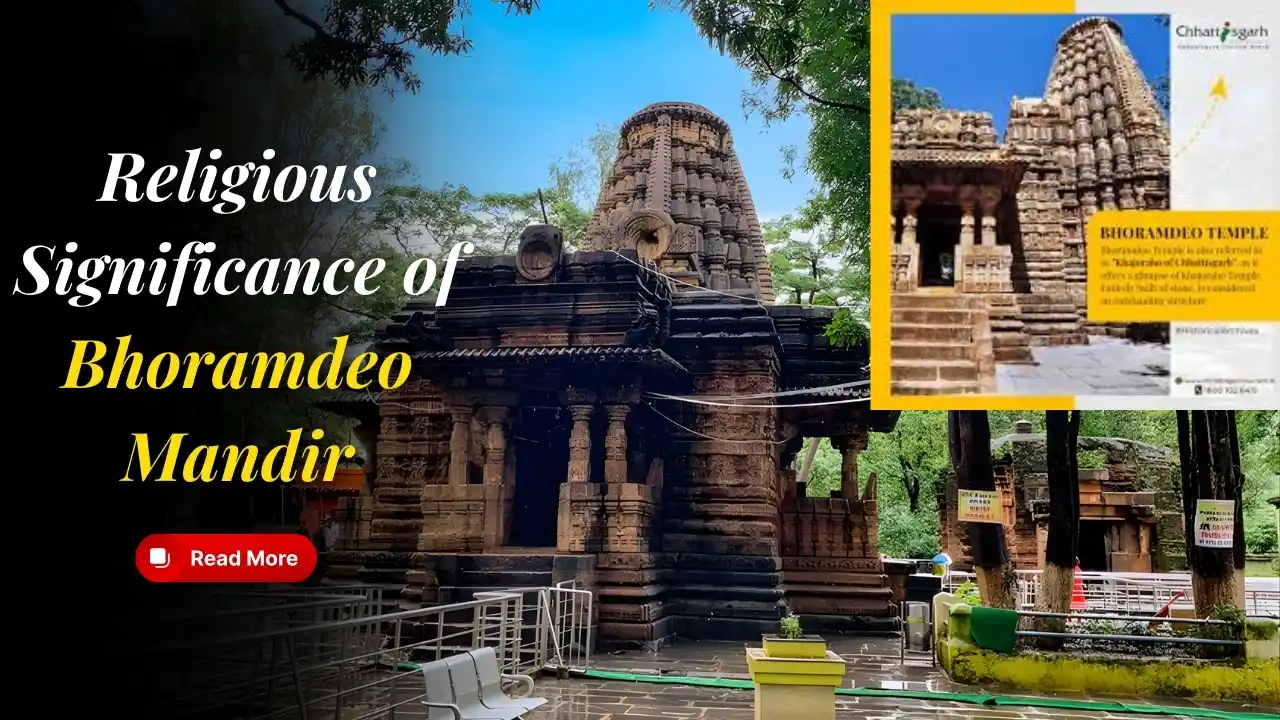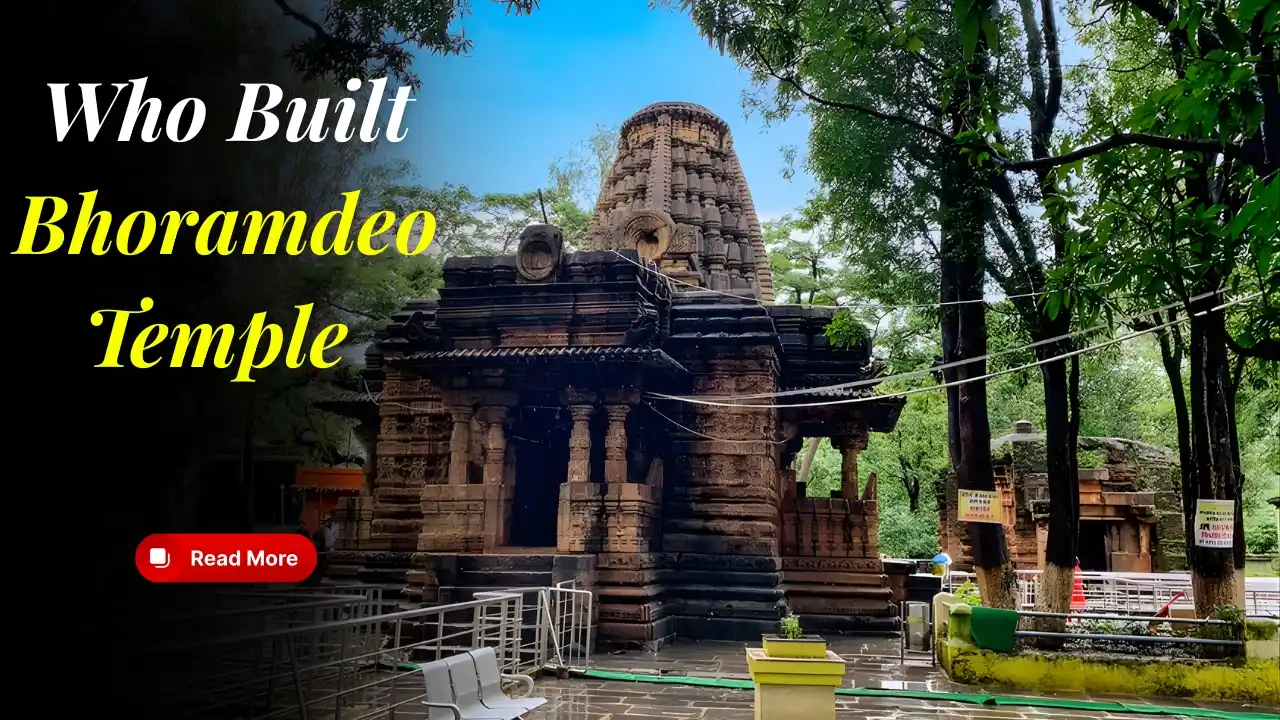
Bhoramdeo Temple is one of the finest examples of ancient Hindu temple architecture in central India. Many visitors admire its beauty, but a common question remains: who built Bhoramdeo Temple and why is it still important today? Understanding the builder and purpose of this temple helps us appreciate its historical, religious, and cultural value.
Builder of Bhoramdeo Temple
Bhoramdeo Temple was built by King Ramachandra of the Nagvanshi dynasty during the 11th century AD. At that time, the region was under the cultural and political influence of the Kalchuri dynasty, which actively supported temple construction and religious development.
King Ramachandra was a devoted follower of Lord Shiva. He commissioned the temple to establish a strong center of Shaivism and to promote religious practices among the people of the region.
Role of the Kalchuri Dynasty
Although King Ramachandra belonged to the Nagvanshi lineage, the architectural style and religious themes of Bhoramdeo Temple clearly reflect Kalchuri influence. The Kalchuri rulers were known for encouraging art, sculpture, and temple-building across Chhattisgarh and nearby regions.
Under their influence, temples were not only places of worship but also centers of learning, culture, and social life. Bhoramdeo Temple fits perfectly into this tradition.
Purpose Behind Building Bhoramdeo Temple
The main purpose of building Bhoramdeo Temple was to honor Lord Shiva and strengthen religious unity in the region. The temple served as a sacred place where people could gather for worship, festivals, and spiritual guidance.
It also symbolized royal devotion and authority. In ancient India, building temples was seen as a way for rulers to express faith, gain spiritual merit, and leave a lasting legacy.
Artistic Vision of the Temple Builders
The builders of Bhoramdeo Temple employed skilled artisans who carved detailed sculptures and decorative panels on stone walls. These carvings depict mythological stories, symbolic figures, and scenes from daily life.
The artistic vision behind the temple shows that the builders valued beauty, balance, and spiritual symbolism. Every sculpture was designed to convey deeper meanings related to life, devotion, and human emotions.
Why the Temple Still Matters Today
Bhoramdeo Temple matters today because it connects modern society with ancient Indian traditions. It helps people understand how religion, art, and governance worked together in medieval India.
For devotees, the temple remains a powerful spiritual center dedicated to Lord Shiva. For historians and students, it offers valuable insight into temple architecture, dynastic history, and cultural practices of the past.
Importance in Modern Cultural Identity
The temple plays an important role in preserving the cultural identity of Chhattisgarh. It is featured in tourism campaigns, educational materials, and heritage conservation efforts.
Festivals celebrated at the temple continue age-old traditions, keeping the spiritual legacy alive for future generations.
Preservation and Recognition
Today, Bhoramdeo Temple is protected as a heritage monument. Conservation efforts ensure that its structure and sculptures remain safe from damage.
Its recognition as a heritage site highlights the importance of the vision of its builders and their contribution to Indian history.
Conclusion
Bhoramdeo Temple was built by King Ramachandra with deep devotion to Lord Shiva and strong artistic vision influenced by the Kalchuri dynasty. More than 900 years later, the temple still matters because it preserves ancient faith, architecture, and cultural values. It stands as a timeless reminder of India’s rich spiritual and historical heritage.